
How to Avoid the Pseudo Power Pose This Holiday Season

Why rib flare feels confident—but quietly taxes your nervous system

Whether you’re navigating family drama or recovering from sufganiot (Channukah jelly doughnuts), a body that’s aligned and breathing well can be a surprisingly powerful ally. In moments like these, posture isn’t about standing up straighter—it’s about finding a position that truly supports you.
So here you are colleagues and clients, two offerings for yourself or to a loved one: gift certificates and some posture advice.
No Overnight Shipping Required 🎁
If your body is feeling more supported and regulated, consider sharing that care with someone you love. A chiropractic gift card is a thoughtful way to offer nervous system support, movement, and relief—no wrapping paper required.
Care can be powerful, especially for those navigating stress, persistent tension, or long days at a desk. It’s an invitation to slow down, tune in, and reconnect with the body.
Purchase a gift card here:https://debrafoxfern.janeapp.com/online_gift_cards/new
Okay, now let’s get nerdy!
Pseudo Power Pose: Rib Flare
Rib flare posture is extremely common—and often completely acceptable. Many people don’t realize they’re standing this way because it can feel neutral or even empowering. Over time, though, this pattern can quietly place extra strain on the spine, adrenals, nervous system, low back and mid back.

Rib flare occurs when the lower ribs lift and angle forward instead of resting gently over the pelvis. This often pairs with the pelvis slanting downward, the knees locking, and the body relying more on passive structures (joints and ligaments) than active muscular support. The result is a body that looks upright but isn’t well stacked.
When the ribs and pelvis lose their relationship, the deep core muscles that help regulate spinal stability and breathing don’t engage effectively. The nervous system compensates by increasing tone in the low back, hip flexors, shoulders, neck—and sometimes even the jaw. This is why discomfort from posture patterns often shows up later in the day rather than immediately.
Why Rib Flare Matters for Spinal Health
Your spine is designed to distribute load in a very specific way:
About 70% of your body weight should be supported through the spinal discs
About 30% through the facet joints
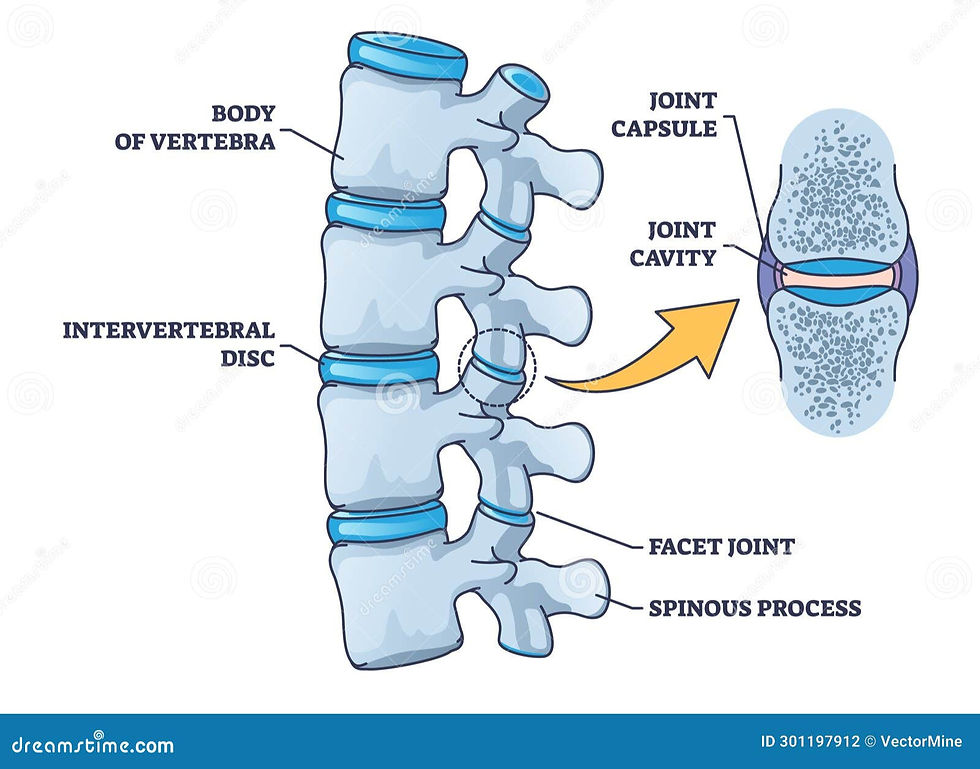
When rib flare is present, this balance shifts. The spine becomes more compressed through the facets, while the discs lose their ability to accept and distribute load evenly. Over time, this can contribute to stiffness, irritation, and fatigue—especially in the low back, mid-back, and neck.
Restoring rib position isn’t about forcing “good posture.” It’s about helping the body find stacking again: ribs over pelvis, head over ribs, with balanced pressure through the spine.
Three Simple Ways to Reduce Rib Flare
These movements are small, gentle, and focused on awareness rather than effort.
1) Pelvic Tilts
Pelvic tilts help reconnect the pelvis and rib cage while reactivating the deep abdominal system.
Try this:
Lie on your back or sit comfortably
Gently tilt your pelvis towards your sternum so the low back softens or flattens slightly
Allow the ribs to melt down toward the pelvis and the small of the back
Hold for 3–5 seconds while breathing 360 degrees around the lower ribs
Repeat 8–10 times
This movement helps the nervous system relearn where neutral alignment actually lives.
2) Air Crunches (Think Air Guitar, but Crunches 🎸)
These are not traditional crunches. They’re small, controlled movements designed to guide the ribs down without strain.
Try this:
Sit or lie back in a relaxed position
Exhale gently and bring the sternum down as if starting a crunch
Keep the motion subtle—imagine crunching the air, not lifting your body
Relax and repeat 6–10 times
These help restore rib control and support the spine without bracing or tension.
3) Adjustments
Sometimes the body needs a helping hand to improve proprioception—our internal sense of where we are in space. If you’ve ever sat through a report of findings, you may remember the diagram showing how our body posture shapes the way the brain maps the body.

Chiropractic adjustments provide a clear, specific sensory input to the nervous system. This input helps the brain become more plastic, or adaptable, and more open to sensing and exploring new positions. In this way, adjustments don’t force posture to change—they help the nervous system recognize what’s possible. When combined with gentle movement and awareness exercises, they can make it easier for the body to find a more balanced, stacked position without effort or strain.
A Gentle Reminder
Posture patterns like rib flare and sway back don’t usually cause pain overnight. They develop slowly and affect how load, breath, and tension move through the body. Small, consistent changes can make a meaningful difference in how your spine feels—and how resilient it is over time.

'Gift Back' to Someone You Care About 🎁
If you’re feeling better and want to share that support with someone you love, a chiropractic gift card is a simple and thoughtful way to do that. Care can be a powerful gift—especially for those navigating stress, pain, or long days at a desk.
👉 Purchase a gift card here:https://debrafoxfern.janeapp.com/online_gift_cards/new


Comments